New Orleans Sessions Trailer
In November 2025, we captured an extraordinary set of performances, interviews, and collaborations that illuminate the deep cultural roots of the folk song “Liza Jane” in the New Orleans area and establish the song’s enduring influence in American music.
“The American Songster” Dom Flemons serves as the film’s main participant, grounding the film in artistry and scholarship. Footage depicts Dom collaborating with New Orleans culture bearers on musical arrangements inspired by some of the earliest reported “Liza Jane” lyrics, dating back to the folk traditions of enslaved people before the Civil War. In addition to performances, Dom leads conversations with the city’s top musicians, prompting vibrant exchanges that provide the film’s emotional and narrative foundation.
On location at iconic venues, including The Dew Drop Jazz & Social Hall, Preservation Hall, and the New Orleans Jazz & Heritage School of Music, our footage illuminates the places where the “Liza Jane” tradition continues to thrive. Other locations include the rooftop of the riverboat Natchez, WWOZ Radio, the Louisiana Music Factory, and a Seventh Ward second line parade.
Featured musicians include Joy Clark, Don Vappie, Chaz Leary, Cha Wa, Derek Douget & Don “Moose” Jamison Heritage School of Music students, Debbie Fagnano (aka “Miss Calliope”), Dusky Waters, and Ben Jaffe. Contextual interviews with Dr. Shennette Garrett-Scott and John McCusker, among others. Dancing by Jennifer Jones, the Dancing Queen of New Orleans.
(Trailer edited by Wesley Kinard.)
A song first sung by enslaved people on southern plantations.
100 years later David Bowie made “Liza Jane” his first single.
This film explores the remarkable journey of one of the most recorded, most beloved songs in American history. Fresh performances by contemporary musicians create a bold soundtrack, expanding the narrative around American music and inspiring new audiences.

Before the world knew him as David Bowie, a teenage singer-saxophone player named Davie Jones recorded his first single, “Liza Jane,” with his band The King Bees. The year: 1964. Imagine the future superstar, sitting in his flat, clutching his very first 45 rpm record.
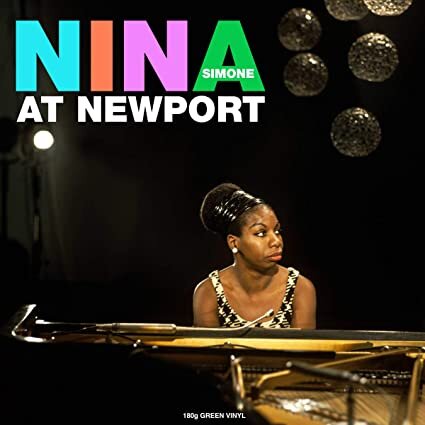
After asking for her tambourine, Nina Simone performed “Little Liza Jane” at the 1960 Newport Jazz Festival. The tune has rarely been recorded by women, but Simone’s performance is one of the most emotionally-charged versions ever produced.

Performer and civil rights activist Harry Belafonte joyously sang and danced to “Liza Jane” during his 1960 CBS TV special New York 19, which was seen by upwards of thirty million viewers. The sponsor, Revlon, canceled future Belafonte shows when the performer refused to segregate his racially mixed cast.

“Liza Jane” songs were standards for folk singer Pete Seeger, who was investigated by Congress during the McCarthy Era. His pro-union version is a potent reminder that the song has often been reshaped by performers to reflect the urgency of contemporary themes.
Watch the trailer from our DC Sessions, featuring Piedmont Blues musician Phil Wiggins on harmonica.
Want to Learn More?
Check out co-producer Dan Gutstein’s award-winning book, Poor Gal (University Press of Mississippi, 2023), which explores the cultural history of all “Liza Jane” songs. Also check out a selected playlist of “Liza Jane” songs below.